
Physical Therapy Can Help You Resolve Unwanted Knee Pain
Knee pain is a common complaint that affects people of all ages, often hindering their ability to perform everyday activities and enjoy a high quality of life. Whether resulting from injury, arthritis, or overuse, knee pain can be debilitating.
Fortunately, physical therapy at Ambassador Physical Therapy offers hope for those seeking relief. This article shares the journey of Alex, a 40-year-old marathon runner, who found relief from persistent knee pain through the expert care of our skilled therapists.

The Onset of Pain
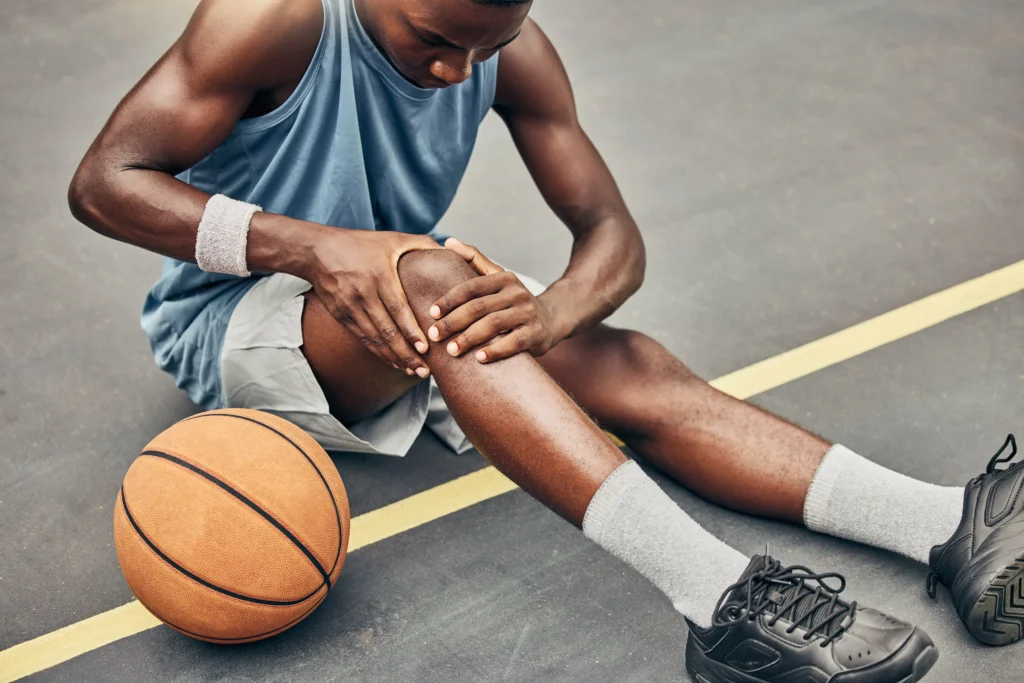
Alex’s passion for running was undeniable. Completing several marathons each year, he was no stranger to the physical demands of long-distance running. Unfortunately, Alex began experiencing sharp pains in his right knee, particularly during and after runs. Initially dismissing it as regular wear and tear, he soon realized the pain was not subsiding but worsening with time.
Seeking Help
After several weeks of persistent pain, Alex knew he needed professional help. His search for a solution led him to Ambassador Physical Therapy, known for our team of experienced physical therapists specializing in sports injuries. From the moment he walked in, Alex felt a sense of hope. The clinic’s approach was about alleviating pain, understanding its root cause, and preventing future issues.
The Physical Therapy Journey Begins
Alex’s journey began with a comprehensive assessment that included a detailed discussion of his running habits, knee pain history, and a physical examination to assess his knee’s strength, flexibility, and alignment.
Our clinic’s expertise in sports injuries came to the forefront with a detailed analysis of Alex’s running gait. His therapist identified several inefficiencies in his running form contributing to his knee pain.
His therapist determined Alex was dealing with patellofemoral pain syndrome (PFPS), a common issue among runners characterized by pain around the kneecap. His therapist explained that Alex’s pain was likely due to a combination of overuse, improper running technique, and muscular imbalances.
Tailored Treatment Plan
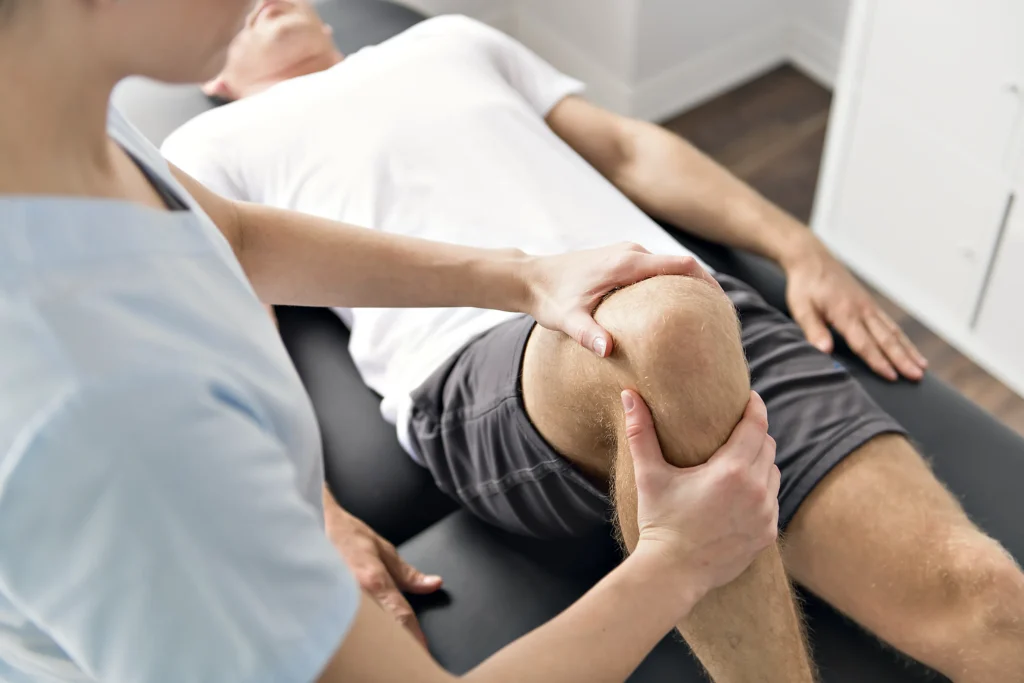
Understanding the specifics of Alex’s condition, the therapist devised a personalized treatment plan. The multifaceted plan addressed Alex’s knee pain symptoms and underlying causes.
Manual Therapy
Alex’s treatment started with manual therapy. His therapists used hands-on techniques to free up restrictions and tension in the soft tissues around his knee. This approach helped reduce Alex’s pain and increase his range of motion, setting a solid foundation for further therapeutic interventions.
Strengthening Exercises
Recognizing the importance of muscular support for knee stability, Alex was guided through a series of strengthening exercises focused on building up the muscles around his knee, particularly the quadriceps and hamstrings. These exercises were designed to absorb shock more effectively, reduce the burden on his knee during runs, and prevent future injuries.
Motor Control Exercises
To address any dysfunctional movement patterns contributing to Alex’s knee pain, the therapists introduced motor control exercises. These exercises aimed to correct his movement patterns, ensuring that he adopted more efficient movement strategies during running and daily activities, thereby reducing strain on his knee.
Education and Preventive Strategies
Beyond immediate treatment, education played a vital role in Alex’s therapy. He learned the importance of proper footwear, adequate warm-up and cool-down routines, and strategies to gradually increase running distances without overloading the knees.
The Road to Recovery
Alex’s dedication to physical therapy paid off as he noticed a significant reduction in knee pain, improved running efficiency, and a newfound awareness of protecting his knees from injury. The holistic approach at Ambassador Physical Therapy addressed Alex’s pain and equipped him with the knowledge and tools to maintain knee health in the long run.
But Alex’s journey was about more than just overcoming knee pain. It was a transformative experience that reshaped his relationship with running. He emerged from physical therapy as a runner and an informed athlete, mindful of his body’s signals and the importance of balance in training.
Sources: https://www.ncbi.nlm.nih.gov/pmc/articles/PMC7661565/, https://pubmed.ncbi.nlm.nih.gov/32161824/, https://www.ncbi.nlm.nih.gov/pmc/articles/PMC6829001/
Conclusion: A Testament to the Power of Physical Therapy
Alex’s story is a testament to the effectiveness of physical therapy in resolving unwanted knee pain. At Ambassador Physical Therapy, the combination of expert assessment, personalized treatment, and a commitment to patient education proved to be a winning strategy.
Alex’s journey offers hope and inspiration for anyone struggling with knee pain. If you’re dealing with knee pain, call our team and schedule a consultation today!

Physical Therapy: Preparing Golfers for the Spring Season
With spring around the corner, golfers are eager to hit the greens in their best form. Physical therapy at Ambassador Physical Therapy can provide golfers with the tools and techniques to optimize their performance and mitigate injury risks as they head into the spring season.
Both amateur and professional golfers can experience a variety of injuries, from lower back pain to elbow tendinitis. Fortunately, our physical therapists can identify movement faults or muscle imbalances that set individuals up for such injuries. We’ll address these imbalances, so golfers can enhance their performance on the course.
How Physical Therapy Can Improve Your Golf Game
As the spring season approaches, golfers are eager to get back on the course, but after a long winter hiatus, there is a risk of injury if not properly prepared. At Ambassador Physical Therapy, our physical therapists can play a pivotal role in getting golfers ready for the upcoming season.
Mobility and Strength
Golf demands a unique combination of mobility and stability. The rotation required for a golf swing involves almost every joint in the body, especially the spine, hips, and shoulders.
Our targeted interventions can introduce golfers to a program of stretching and mobility exercises designed specifically for these demands. With increased mobility and strength, golfers can achieve a fuller range of motion, enhancing the fluidity and efficiency of their swing.
Performance Enhancement
Ambassador Physical Therapy, which specializes in golf-related fitness, has often emphasized that there isn’t one perfect swing, but every golfer has one efficient swing. Our physical therapists offer specialized assessments to identify any weakness or restriction in mobility that may hinder a golfer’s swing efficiency.
We’ll design strength and conditioning programs that address these limitations to ensure you can improve your swing and increase your shots’ distance and accuracy!
Education and Self-management
Knowledge is power. Our physical therapists educate golfers about body mechanics, swing techniques, and self-management strategies to ensure longevity in the sport. This includes guidance on proper warm-up techniques, cool-down stretches, and nutrition and hydration strategies for golfers.
Book Your Appointment Today!
As the spring season approaches, golfers looking to step up their game and stay injury-free should consider incorporating physical therapy into their preparation routine. At Ambassador Physical Therapy, our multifaceted approach offers golfers a pathway to optimize their performance, while minimizing their risk of injury so they can enjoy the game they love!
Golf performance enhancement assessments are currently only offered at our Matthews and Mountain Island locations.

Cherry-Berry Oatmeal Smoothies
- 1/2 cup quick-cooking rolled oats
- ½ cup light almond milk
- ¾ cup fresh strawberries
- ½ cup fresh dark sweet cherries
- 1-2 tbsp almond butter
- 1 tbsp honey
- ½ cup small ice cubes
In a medium bowl, combine water and oats. Microwave 1 minute. Stir in ¼ cup of the milk. Microwave 30 to 50 seconds more or until oats are very tender. Cool 5 minutes. In a blender combine oat mixture, the remaining ¼ cup milk, and the next four ingredients (through honey). Cover and blend until smooth, scraping container as needed. Add ice cubes; cover and blend until smooth. If desired, top each serving with additional fruit.